
Your air conditioner works hard to keep your home comfortable, especially during the warmer months. Like any mechanical system, however, it won’t last forever. Over time, components wear down, efficiency can drop, and repairs may become more frequent. While some AC problems are easy to notice, others develop gradually and are easy to overlook. Recognizing the early warning signs can help homeowners decide whether a repair will solve the issue or if replacing the system may be the better long-term solution.
Frequent AC Repairs Are Becoming Too Expensive
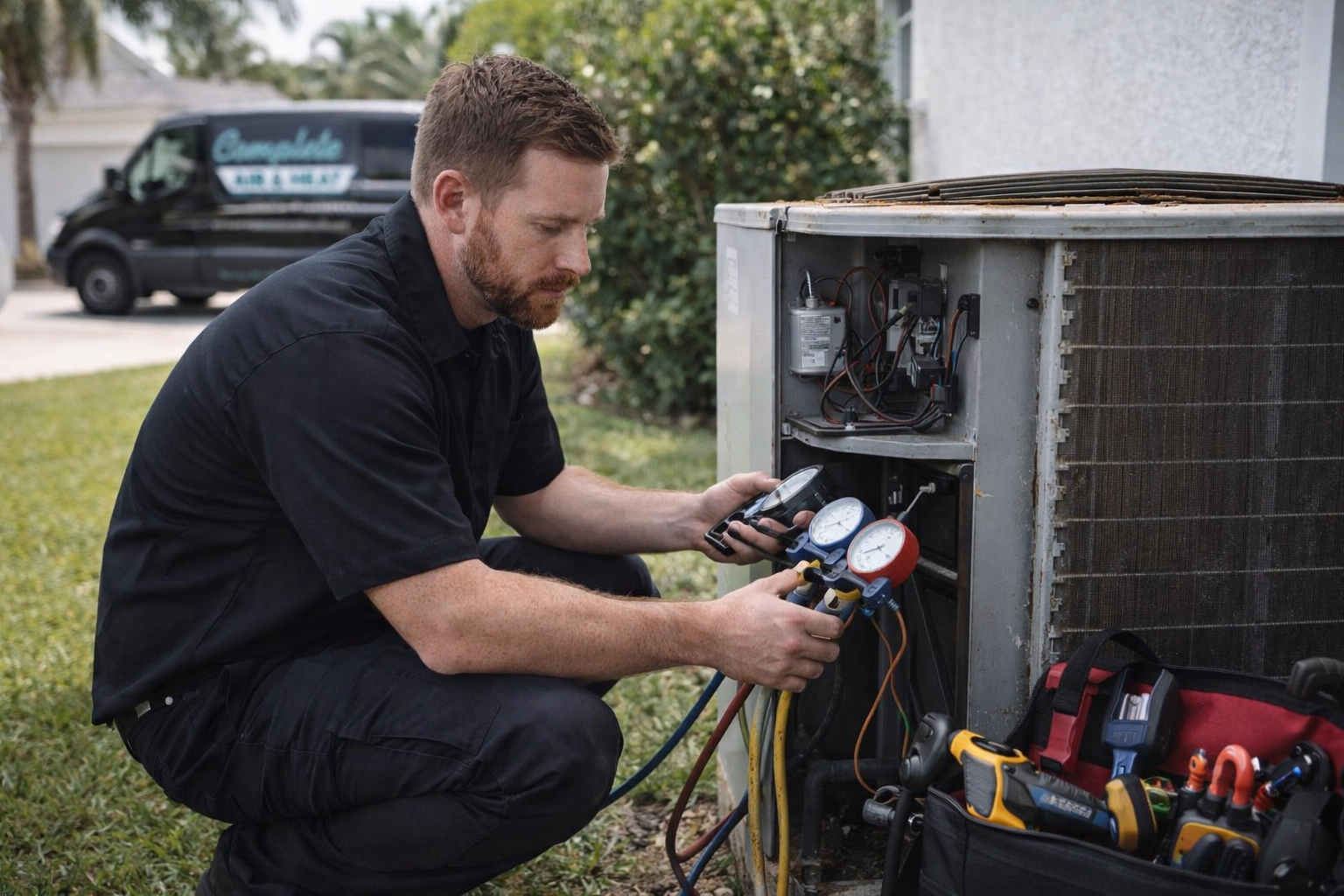
Occasional repairs are normal for HVAC systems, but frequent service calls can indicate a larger problem. If your AC system seems to need ac repair every season—or multiple times during the same year—it may be nearing the end of its lifespan. Homeowners can often reduce expenses by following smart ways to lower AC repair costs before problems become more severe. When repair costs reach about half the price of a new unit, replacement is usually the better option. Frequent breakdowns on an older current system—especially after ten years—often point to the need for replacement services instead of more costly repairs.
Rising Cooling Costs Could Signal AC Failure
A sudden increase in cooling costs can be another sign your air conditioner is losing energy efficiency. Older systems or systems experiencing mechanical issues often have to run longer to reach the desired temperature. Seer ratings measure air conditioner efficiency, and higher ratings usually mean lower operating costs. If your usage habits haven’t changed but your energy bills continue climbing, your AC may be working harder than it should. A new air conditioner or new air conditioning system can be 30% to 50% more energy efficient than older equipment. An Energy Star option and a higher-SEER2 unit can improve savings and may reduce the total cost over time through rebates or tax incentives.
Uneven Temperatures Throughout Your Home
Your air conditioner should deliver consistent temperatures to every room, and a new air conditioning system can improve comfort throughout the home during extreme weather. If some areas of your home feel comfortable while others remain warm, your system may be struggling to distribute air properly. An improperly sized cooling system may not adequately cool the home and can create cold spots. While ductwork issues can sometimes cause uneven temperatures, an aging AC system can also contribute to inconsistent cooling. Oversizing can also cause short cycling, excess humidity, and potential mold growth. Professionals use square footage and a Manual J load calculation to choose the best air conditioning unit for your home.
Strange AC Noises You Should Never Ignore
Air conditioners typically operate with a steady, low sound. Loud or unusual noises—such as banging, grinding, or rattling—can indicate worn components or internal damage. If you begin to hear warning signs from your AC, it’s important to schedule a professional inspection before the issue worsens. These sounds should be inspected by a professional technician to determine whether repairs can resolve the issue or if replacement should be considered.
Weak Airflow May Mean Your AC Is Failing
If you notice weaker airflow coming from your vents, your system may be having difficulty circulating air throughout your home. This can make it harder to maintain comfortable temperatures. Weak airflow can sometimes be repaired, but in older systems, it may indicate declining performance overall.
High Indoor Humidity Despite Running the AC
In Florida, an air conditioning unit does more than cool the air—it also plays a major role in controlling humidity. In hot, humid conditions, roughly 40% of the system’s workload can go toward removing moisture from the air. If your home begins to feel more humid than usual, your AC system may not be operating effectively. A struggling system may still cool the air but fail to maintain comfortable moisture levels. A more efficient system can improve comfort and indoor air quality when humidity is controlled properly.
Your Air Conditioner Is Nearing the End of Its Lifespan
Even with regular maintenance, air conditioners eventually wear out, but life expectancy depends not just on age as much as how well the system was originally installed. In Florida, proper ac installation has a major effect on long-term efficiency and durability in hot, humid conditions. Installation quality often matters more than brand when choosing a new ac unit. Older systems are often less efficient and more prone to breakdowns, while a newer new ac system can also run more quietly for better comfort. If your system is showing several of these warning signs, replacement may offer improved reliability and better overall performance. A full new air conditioner setup, including hvac installation, often ranges from about $5,500 to $16,000, with many projects averaging around $8,500 depending on complexity and additional costs.
When to Call an HVAC Professional About AC Replacement
Choosing between repairing and replacing your air conditioner can feel like a big decision. The decision often starts with an in-home evaluation of your current system, existing infrastructure, and comfort concerns before a contractor recommends the right replacement services. A professional inspection can help determine the condition of your system and recommend the most practical solution, especially when homeowners avoid delaying important AC repairs that could lead to bigger system issues.
The process for air conditioning installation should be handled by a licensed contractor who can answer questions and manage the required permits. On installation day, crews should protect work areas, remove old equipment, and complete the air conditioner installation to manufacturer specifications and local code. In Florida, that includes permit handling, sealing accessible ductwork during a total replacement, and adding a new electrical disconnect switch, all of which can affect the final cost. For a split system, the indoor unit and outdoor unit must be matched correctly for optimal efficiency and code compliance, including Florida’s minimum 14.3 or 15 SEER2 requirements.
- Window unit: Best for one or two rooms, these typically cost about $150 to $1,000.
- Central air: The most common whole-home option, with equipment costs around $2,500 to $4,500; in many replacement projects, central air conditioning must be matched with the existing heating equipment or an air handler for proper compatibility.
- Split system: A split system pairs an indoor unit with an outdoor unit, may be ducted or ductless, and often costs about $2,000 to $3,000.
- Heat pumps: Geothermal or air-source heat pumps can cost about $4,200 to $12,000 and move heat or cooling from the ground or outdoor air into your home.
- Timing: Labor for hvac repair or installation tied to air conditioner replacement may be lower in fall or early spring, which can save more money on the total cost.
- Note: A central air conditioning system is popular because it can cool an entire house, depending on size and layout.
Frequently Asked Questions
Question: What are common signs that it may be time to replace an air conditioner?
Answer: Common warning signs include rising energy bills, uneven cooling, unusual noises, frequent repairs, weak airflow, excess humidity, and systems that struggle to maintain comfortable temperatures. Older AC units that run constantly or break down repeatedly may no longer operate efficiently and could benefit from replacement.
Question: How long does a typical residential AC system last?
Answer: Most residential air conditioning systems last around 10 to 15 years with proper maintenance. Florida’s heat and humidity can place additional strain on equipment, which may shorten its lifespan. Regular maintenance can help extend system performance, but aging units often become less efficient over time.
Question: Why do energy bills increase when an AC system is failing?
Answer: As air conditioning systems age or develop mechanical problems, they often work harder to maintain the same indoor temperature. This increased strain can lead to longer run times and higher energy consumption. Replacing an inefficient system may help improve cooling performance while reducing monthly utility costs.
Question: Can frequent AC repairs indicate the need for replacement?
Answer: Yes, repeated repairs are often a sign that an air conditioning system is nearing the end of its lifespan. When repair costs begin adding up or major components continue failing, replacing the unit may provide more reliable performance and better long-term value than ongoing repair expenses.
Question: How can a new air conditioning system improve indoor comfort?
Answer: Modern air conditioning systems are designed to provide more consistent cooling, quieter operation, improved humidity control, and greater energy efficiency. Upgrading to a newer system can help eliminate hot spots, improve airflow, and create a more comfortable indoor environment throughout the year.
Contact Complete Air & Heat, Inc. today for AC replacement. Making families happy on the Space Coast since 1975.