
Hurricane season brings strong winds, heavy rain, and unpredictable weather that can put your home’s HVAC system at risk. At Complete Air & Heat, Inc., we know how important it is to keep your cooling system protected when severe storms approach. If you rely on an HVAC system in Melbourne, preparing your outdoor unit before hurricane season can help prevent costly damage and keep your family comfortable when you need your system most.
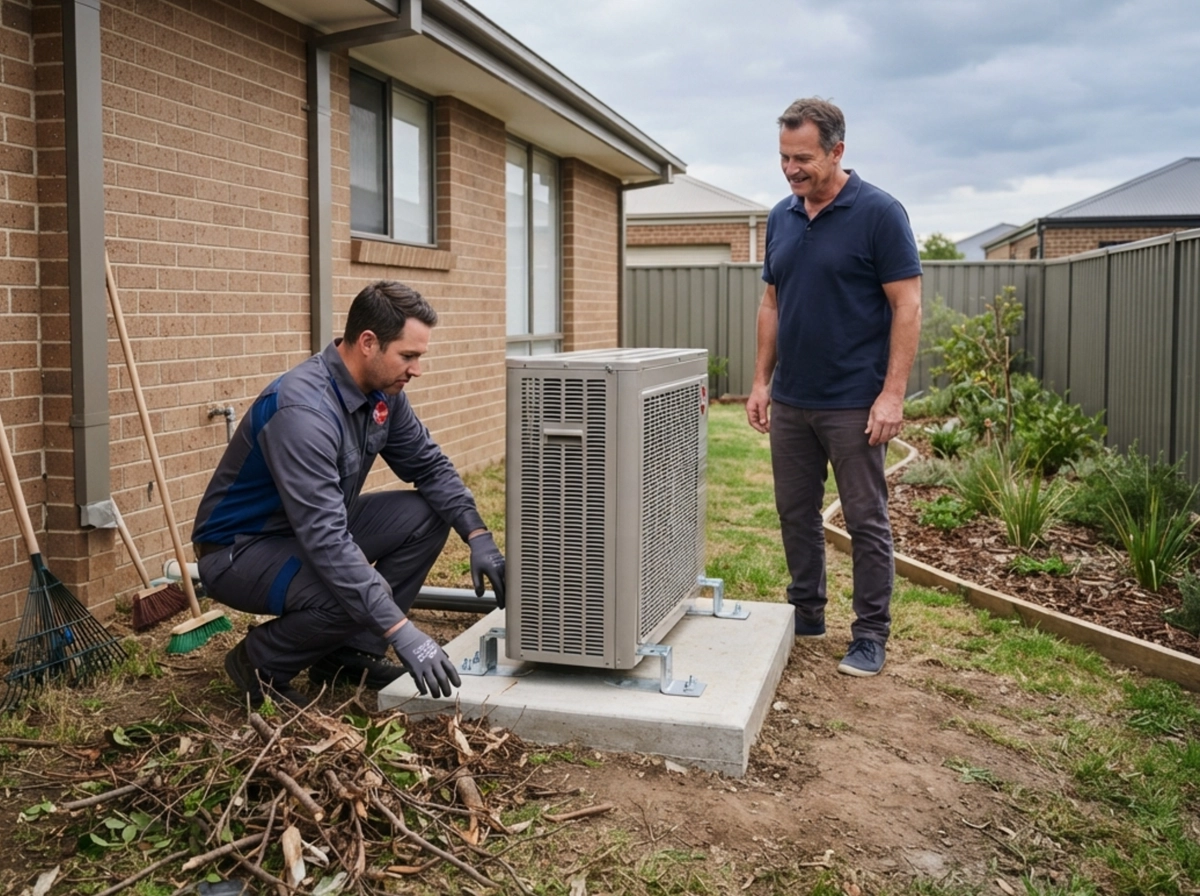
Why Your Outdoor HVAC Unit Needs Storm Protection
Your outdoor condenser is built to withstand everyday weather conditions, but hurricanes and tropical storms can create challenges beyond normal wear and tear. High winds can send branches and debris flying into the unit, heavy rainfall can lead to flooding, and power surges can damage electrical components. Taking a few simple precautions before a storm arrives can make a big difference in protecting your investment.
1. Clear Away Outdoor Debris
One of the easiest ways to protect your condenser is by keeping the area around it clean. Remove leaves, branches, patio furniture, toys, and other loose items that could become dangerous projectiles during high winds. Maintain at least two to three feet of clearance around your outdoor unit to allow proper airflow and reduce the risk of debris impact.
2. Secure the Condenser Unit
Strong hurricane winds can shift or damage outdoor HVAC equipment if it is not properly anchored. Check that your condenser is securely attached to its mounting pad and that the pad is stable. If you notice movement, cracks, or uneven placement, schedule a professional inspection before storm season peaks.
3. Protect Against Water Damage
Flooding and standing water can cause serious problems for your HVAC system. Make sure the area around your condenser drains properly and that nearby gutters and downspouts direct water away from the unit. Avoid covering the condenser completely with a tarp during a storm, as trapped moisture can create additional issues. If flooding occurs, do not turn your system back on until it has been inspected.
4. Turn Off Power Before Severe Weather
Before a major hurricane or tropical storm arrives, consider shutting off power to your HVAC system at the disconnect box. This can help protect electrical components from lightning strikes and power surges. After the storm passes, wait until power is stable before restoring operation to help prevent damage from electrical fluctuations.
5. Consider a Surge Protector
A whole-home surge protector or dedicated HVAC surge protection device can provide an extra layer of defense against sudden voltage spikes. Hurricanes often bring unstable electrical conditions, and surge protection can help safeguard sensitive parts like the compressor, control boards, and other electronics.
6. Inspect Your System After the Storm
Once it is safe to go outside, carefully inspect your outdoor unit before turning it on. Look for dents, loose panels, damaged wiring, excessive debris, standing water, or signs that the unit shifted. If anything looks unusual, contact an HVAC service professional for help rather than risking additional damage.
7. Schedule a Professional Hurricane Season Checkup
A seasonal HVAC inspection gives you peace of mind before severe weather arrives. Our team can check electrical connections, refrigerant levels, drainage, and overall system operation to help ensure your equipment is ready for whatever the season brings.
Contact Complete Air & Heat, Inc. today for HVAC prep in Melbourne. Making families happy on the Space Coast since 1975.